The Minimalism Paradox
Published
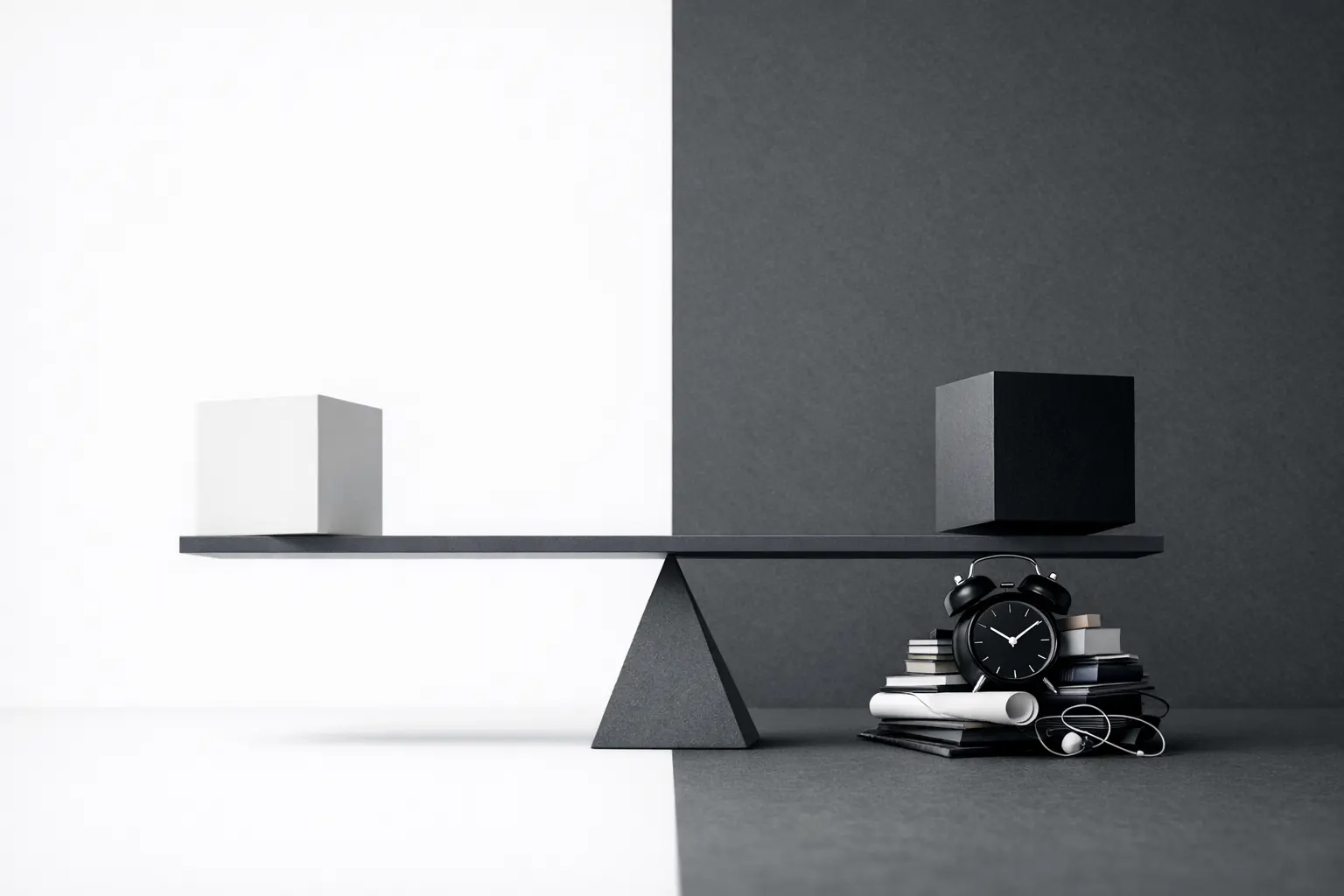
The Minimalism Paradox: Why Having Less Actually Gives You More
Minimalism has a branding problem.
Some people hear the word and picture an empty white apartment, two plates, one chair, a sad little plant, and a person who owns exactly three identical black t-shirts and has somehow made that their whole personality. Others hear “minimalism lifestyle” and assume it’s either a flex for rich people or a punishment for normal people who just want their stuff to stop falling out of the closet.
But real minimalism, the kind that works in actual homes with actual schedules and actual mess, isn’t about deprivation. It’s about leverage.
That’s the minimalism paradox: when you own less, you often end up with more of what you actually want. More time. More space. More money. More energy. More clarity. More freedom. And, quietly, more joy, because you’re not constantly negotiating with your own clutter.
If you’ve been searching for “how minimalism improves life,” “benefits of decluttering,” “minimalism for beginners,” or even “why do I feel better after cleaning,” this is the answer you’re looking for, without the fairy dust.
The Real Problem Isn’t Stuff. It’s the Hidden Cost of Stuff.
The average home doesn’t just contain objects. It contains decisions waiting to happen.
That box in the hallway. The cord drawer. The kitchen gadget you use twice a year. The jeans that don’t fit but might again. The stack of “important papers” that becomes an archaeological dig every time you need one document.
Each item isn’t neutral. It asks something from you.
It takes space, obviously. But it also takes attention. It takes maintenance. It takes cleaning around it, moving it, storing it, organizing it, remembering where it is, feeling guilty about not using it, feeling stressed when you see it, and spending time managing it.
Minimalism works not because fewer objects are morally superior, but because fewer objects create fewer open loops in your brain.
When you reduce the number of things competing for your attention, you get your attention back.
And attention is life.
[Advertisement space]
The Minimalism Paradox in One Sentence
Minimalism gives you more because it removes what’s quietly taking from you.
That sounds abstract, so let’s make it concrete.
Less clutter gives you more time (and it’s not just about cleaning)
Here’s the part people underestimate: clutter doesn’t only add cleaning time. It adds friction to everything.
When surfaces are covered, cooking takes longer. When closets are full, getting dressed takes longer. When drawers are chaotic, finding anything takes longer. When your desk is a pile, starting work takes longer.
This is why “decluttering tips” are so popular. People aren’t just trying to make their homes look nice. They’re trying to make their lives easier.
Minimalism reduces friction. Friction is the tiny tax you pay all day long.
Remove the tax, and suddenly you have evenings again.
Less stuff gives you more money (even if you don’t sell a single thing)
Yes, you can sell items and make cash. But the bigger financial win is what happens next.
When you own fewer things, you shop differently. You stop buying duplicates because you can’t find the original. You stop panic-buying because you’re stressed. You stop “organizing” as a hobby, which is often just shopping for bins to store things you don’t need.
Minimalism also reduces the temptation of aspirational purchases. You stop buying versions of a life you don’t actually live.
This is why minimalism and frugality overlap. Not because minimalists are always cheap, but because they’re more intentional. They’re not funding clutter.
Less gives you more space, even in a small apartment
The most immediate payoff of minimalism is physical space, and it feels almost suspiciously good.
You can walk through your home without navigating piles. You can open a cupboard without bracing for an avalanche. You can put your keys down and they stay there. Your living room becomes a living room again, not a storage unit with a couch in it.
For people searching “minimalism small apartment” or “declutter tiny home,” this matters. Space isn’t just square footage. It’s usability.
You don’t need a bigger home. You need fewer obstacles.
[Advertisement space]
Minimalism Isn’t About Owning Nothing. It’s About Owning the Right Things.
One of the biggest misconceptions is that minimalism means you can’t love objects. That you have to live like a monk. That you can’t collect anything, decorate anything, or keep sentimental items.
That version is loud online, but it’s not the version that lasts in real life.
Practical minimalism is not a number. It’s not a “100 things” challenge. It’s not a competition to see who can be the most austere.
It’s the habit of removing what doesn’t serve you so what does serve you can actually breathe.
The paradox becomes obvious when you experience it:
- When you have fewer clothes, you wear what you love more often.
- When you have fewer kitchen tools, you cook with less hassle.
- When you have fewer commitments, you show up better to the ones you keep.
- When you have fewer distractions, you do deeper work.
- When you have fewer “someday” items, you stop living in someday.
Minimalism gives you more of your real life, not your imagined life.
The Psychology Behind Why Less Feels Like More
Minimalism works because of how human brains respond to environments.
When you’re surrounded by excess, you’re not just looking at objects. You’re looking at unmade decisions. The brain treats unresolved tasks as stress. That stress is low-grade, but constant.
This is why “mental clarity” is one of the most searched benefits of minimalism. It’s not woo. It’s cognitive load.
A crowded environment increases the number of stimuli your brain has to filter. Filtering takes energy. That energy comes from the same tank you need for patience, focus, creativity, and self-control.
So the minimalist home isn’t magically peaceful. It’s just easier to process.
You’re not calmer because you became a better person. You’re calmer because your environment stopped asking you to be a better person every second.
[Advertisement space]
The Minimalism Paradox at Work: Real Examples That Actually Happen
The closet example: fewer clothes, more outfits you like
Most people don’t have a “not enough clothes” problem. They have a “too many clothes I don’t wear” problem.
When your closet is full, you can’t see your best pieces. You default to the same few items. You buy more because getting dressed feels hard.
A smaller wardrobe makes your favorites visible, accessible, and wearable. You stop negotiating with clothes that don’t fit your life. You get more ease, more confidence, and more time in the morning.
The kitchen example: fewer gadgets, more cooking
Minimalism in the kitchen is where the paradox becomes undeniable. Too many tools create clutter, and clutter kills motivation. Cooking starts to feel like a project.
When you keep what you genuinely use, you can find things quickly, clean up fast, and cook more often. You eat better without trying harder.
The calendar example: fewer commitments, more meaningful relationships
Minimalism isn’t limited to your home. It works in your schedule, too.
When you stop treating your calendar like a trophy case, you suddenly show up to the people you care about with energy left. You’re not half-present, checking the time, thinking about the next thing.
Less social overload gives you more connection.
The digital example: fewer apps, more focus
Digital minimalism is the quiet hero of modern life.
Fewer apps, fewer notifications, fewer open tabs, fewer feeds. You regain deep focus, better sleep, and the ability to be bored again, which is where creativity comes from.
If you’ve been looking up “how to stop doomscrolling” or “digital declutter,” you’re already sensing the paradox: removing inputs creates more output.
[Advertisement space]
Edge Cases: When Minimalism Backfires (and How to Avoid It)
Minimalism can go wrong when it becomes about control, aesthetics, or perfection.
Some people declutter aggressively and then panic-rebuy. Others use minimalism as a way to avoid dealing with deeper issues, treating “getting rid of stuff” like it will solve burnout, loneliness, or anxiety. It won’t, not by itself.
Minimalism also fails when it ignores reality. A family with kids will not live like a single person with a studio apartment. A person with a chronic illness may need backups and convenience items. A hobbyist may need equipment. A home business might require inventory.
The fix is simple: define minimalism as “enough,” not “as little as possible.”
The goal is not emptiness. The goal is alignment.
Ask: does this support the life I actually live, not the life I post?
How to Practice Minimalism Without Turning It Into a Personality
You don’t need a dramatic purge. You need a repeatable system.
Start where you feel the friction most. That’s the place where minimalism will pay you back fastest.
It might be your entryway where everything gets dumped. It might be your kitchen counter. It might be your phone. It might be your closet.
Don’t declutter as a moral cleanse. Declutter as problem-solving.
When you touch an item, don’t ask if it “sparks joy” in the abstract. Ask more practical questions.
Does it save me time or cost me time?
Does it make my daily life easier or harder?
Would I buy it again today?
If I needed it, would I know where to find it?
Am I keeping it because I use it, or because I feel guilty?
Minimalism becomes sustainable when it’s based on function and honesty, not fantasy.
[Advertisement space]
“Having Less Gives You More” Isn’t a Slogan. It’s a Trade.
Minimalism isn’t free. You trade a short-term discomfort for a long-term payoff.
You trade the temporary anxiety of letting go for the ongoing relief of not managing what you don’t need. You trade the dopamine hit of shopping for the steadier satisfaction of a life that feels spacious. You trade excess options for better options.
And once you’ve felt that payoff, it’s hard to unsee.
Because the paradox isn’t really a paradox at all.
It’s cause and effect.
Owning less means cleaning less, moving less, organizing less, deciding less, maintaining less, stressing less.
And when you subtract what drains you, you get more of what you want.
More time with people you love.
More focus for work that matters.
More money for experiences that actually land.
More calm when you walk into your own home.
More room to breathe.
That’s the minimalism paradox: the less you carry, the farther you can go.
Worth sharing?
Send this to someone who would find it useful.