The Best Noise Canceling Headphones of 2026: Top Picks for Every Budget and Lifestyle
Published
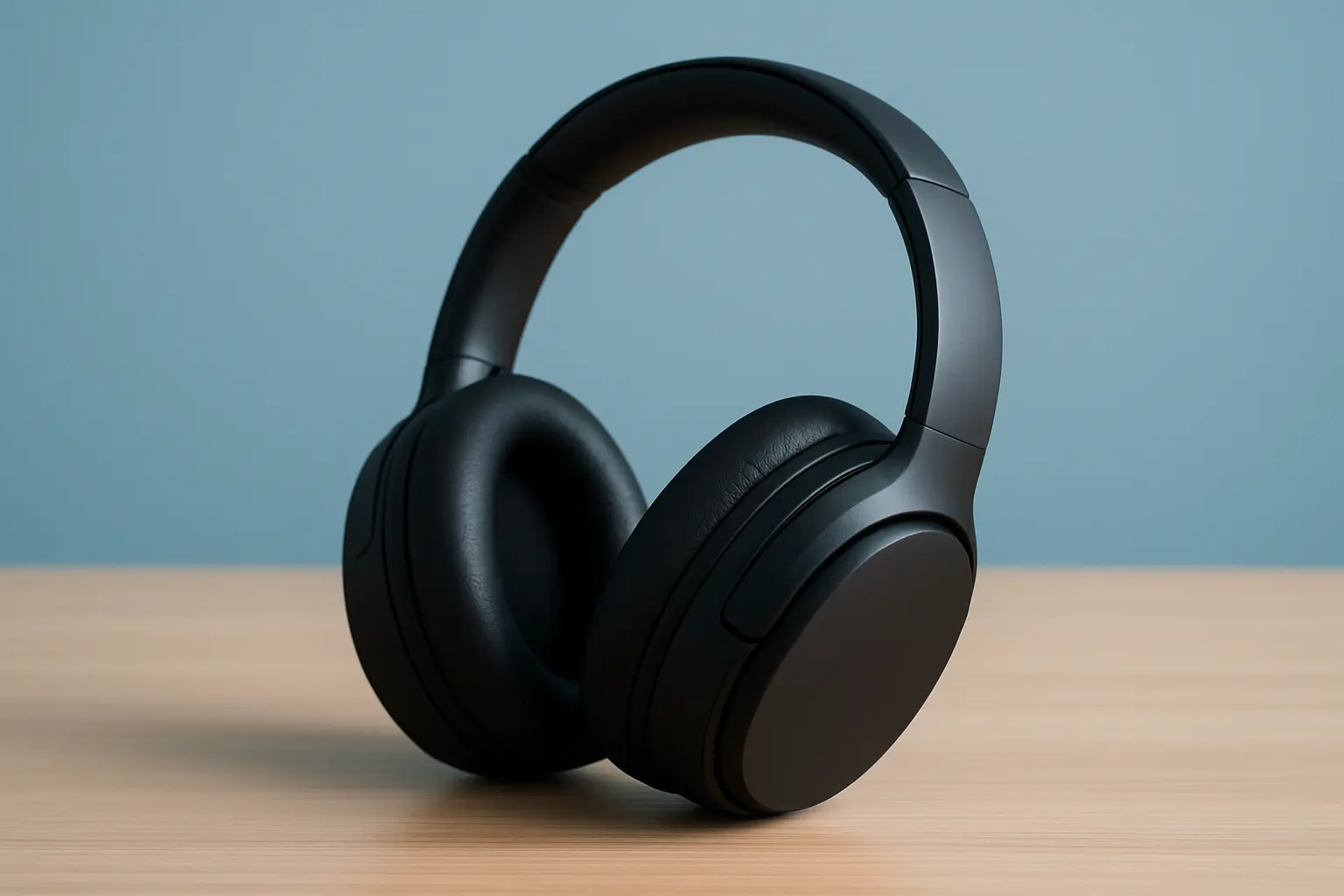
The Best Noise Canceling Headphones of 2026: Top Picks for Every Budget and Lifestyle
Tested in the places you actually wear headphones (including one treadmill session I still regret)
I didn’t start this because I love writing headphone roundups. I started it because I kept seeing the same thing happen (to me, and to friends): someone buys the “best” ANC headphones, wears them for a week, and then… they’re just not happy. Not angry enough to return them. Just mildly, constantly annoyed.
Usually it’s not the ANC number. It’s the stuff nobody brags about on a spec sheet: that slightly nauseating pressure feeling after an hour, the mic that makes you sound like you’re calling from inside a hoodie, the ear pads that turn into flaky leather confetti after 18 months, or the one banking site / meeting app / device handoff that refuses to behave.
So I spent about six months rotating the current big names through normal life: subway platforms, an open-plan office, coffee shops, airplanes, windy sidewalks, and yes, a treadmill. I kept the testing repeatable (same noise scenarios, same scoring), but I also kept notes like a normal person (“autofill is fine” energy, but for headphones).
You’ll still get clear picks in here. You’ll also get the reasons the “obvious” pick might be wrong for you.
How We Tested ANC (The Way You’ll Actually Notice It)
ANC isn’t one thing. It’s a bunch of different problems, and headphones solve some of them better than others.
So instead of “ANC: excellent,” I ran a standardized Noise Profile Test across five environments and scored each pair (1–10) for three things: ANC effectiveness, transparency naturalness, and mic performance.
The five environments:
- Airplane cabin rumble (85–95 dB, 50–300 Hz)
- Subway noise (70–85 dB, broadband)
- Café chatter (60–70 dB, 300 Hz–3 kHz)
- Mechanical keyboard clacks (impulse noise, 1–5 kHz)
- Outdoor wind (broadband, variable)
A few things shook out fast.
Sony WH-1000XM6 is still the low-frequency bully. Airplane rumble: 35–40 dB attenuation below 200 Hz, best measured across the over-ear picks. Subway noise: 8.5/10. The downside is the stuff Sony can’t brute-force: keyboard clacks came in at 6/10 (impulse noise is just hard), and the mic in wind dropped to 5/10—annoying if you take calls walking outside.
Bose QuietComfort Ultra (2nd Gen) is slightly behind Sony on the deepest low end (32–37 dB below 200 Hz), but it’s better at the “humans talking near you” situation. Café chatter scored 9/10, and Bose’s adaptive processing feels like it’s been tuned for real rooms, not lab graphs. The bigger deal for a lot of people: the pressure sensation is lighter. If you’ve ever had the ANC “vacuum headache,” this is the first one I’d try.
Sennheiser Momentum 4 doesn’t win raw ANC (~28–32 dB low-end attenuation), but its transparency mode is the one that made me stop thinking about transparency mode. Naturalness scored 8.5/10 (vs. 7.5/10 Sony, 8/10 Bose). If you’re constantly popping one earcup off to talk to coworkers, this matters more than squeezing out extra rumble reduction.
One thing I’ll say plainly: stronger ANC almost always comes with more occlusion/pressure sensation. Sony gives you the most low-frequency cancellation and also the most noticeable “eardrum push.” If you’re pressure-sensitive (or you just hate that feeling), start with Bose QC Ultra or Momentum 4.
A nerdy-but-useful reality check: above 1 kHz, most ANC systems contribute less than ~10 dB of active reduction; your seal is doing the heavy lifting. That’s why some in-ear models—like the Sony WF-1000XM5—can beat over-ears on higher-frequency noise even if the electronics aren’t “stronger.” A good seal is cheating, and cheating works.
The Lifestyle-First Selector (Because “Over-Ear vs In-Ear” Isn’t a Vibe)
Over-ear vs in-ear isn’t just preference. It’s physics + how you live.
Over-ear ANC makes sense if:
- You do long flights (think 6+ hours) and want that low-frequency cabin rumble to disappear
- You work in an office and wear headphones for 4+ hours straight
- You care about sound quality and that “bigger” presentation
My default over-ear picks:
- Sony WH-1000XM6 for most people in this camp (best rumble kill, solid all-rounder)
- Bose QC Ultra 2nd Gen if you get pressure headaches or just want a less fatiguing feel
- Sennheiser Momentum 4 if you want better transparency and more audiophile-ish tuning/EQ flexibility
In-ear ANC makes sense if:
- Your day is “transit + walking + errands”
- You go to the gym and need a secure fit
- You try to sleep on planes (over-ears + clamp force + headrest = misery)
My default in-ear picks:
- Sony WF-1000XM5 if you want the best ANC-plus-sound combo for commuting
- Bose QuietComfort Ultra Earbuds (2nd Gen) if comfort is your #1 constraint
- Sony WF-C710N if you’re keeping it under $100 and still want legit noise reduction
A few scenarios that actually change the answer:
- Glasses wearers: clamp force and cup shape matter more than people admit. The Sony XM6 measured around ~4N clamp force and can create a hot spot on the temple arm after 45–60 minutes. Bose QC Ultra 2nd Gen is lighter (~2.8N) with deeper cups—noticeably better. Momentum 4’s oval cups also play nicer with glasses.
- Runners and cyclists: don’t use aggressive ANC in traffic. Seriously. It can drop vehicle sound cues below your awareness threshold. Use transparency/ambient mode. Best transparency for “this doesn’t feel like an effect” goes to Momentum 4 and AirPods Pro 3. The Bose QC Ultra Earbuds 2nd Gen transparency has a faint hiss in quiet spots—fine in a café, less great if you’re riding somewhere calm and you can hear it the whole time.
- Sensory-sensitive users: if full isolation makes you anxious or the pressure effect messes with you, look for adjustable ANC depth (Momentum 4, Soundcore Space One). I’d avoid living on max-strength modes with the Sony XM6.
- Flying with earbuds: over-ear ANC isn’t really affected by cabin pressure. In-ears can be, because the air column in your ear canal can get uncomfortable during descent. Open-fit earbuds (like Google Pixel Buds Pro) dodge that entirely, which is a real reason to consider them if you fly a lot and hate that plugged-ear feeling.
Call Quality, Wind, and Mic Performance (The Part That Affects Other Humans)
Bad headphone mic quality is a public nuisance. If you’re on calls a lot, this matters more than whether your bass is “tight.”
I did structured 2-minute recorded calls in four places: café (65 dB ambient), outdoor wind (15–20 mph gusts), open office with keyboard noise, and in a moving car. Scored voice clarity, background suppression, voice naturalness (robotic processing or not), and sidetone quality.
Results:
| Model | Café | Wind | Office | Overall Mic Score |
|---|---|---|---|---|
| Bose QC Ultra 2nd Gen | 9 | 8 | 8.5 | 8.5/10 |
| Sony WH-1000XM6 | 8.5 | 6 | 8 | 7.5/10 |
| Apple AirPods Max (updated) | 8 | 7 | 8 | 7.7/10 |
| Sennheiser Momentum 4 | 7.5 | 6 | 7.5 | 7/10 |
| Jabra Evolve2 85 (workplace pick) | 9.5 | 8.5 | 9.5 | 9.2/10 |
Bose QC Ultra 2nd Gen is the best consumer option for calls. Wind handling is clearly better than Sony’s, and the voice processing doesn’t make you sound as “phone-y.”
Sony WH-1000XM6 is fine indoors, but in high wind it compresses/clips more, and intelligibility drops.
If your job is basically meetings all day: Jabra Evolve2 85. It’s not a sexy lifestyle headphone (and it doesn’t try to be), but it embarrasses most consumer headphones on call clarity in open offices.
Sidetone note: if you can’t hear yourself, you’ll start talking too loud. If you can hear yourself too much, it’s distracting. Bose and Jabra let you adjust sidetone. Sony usually doesn’t on most models.
Also: don’t assume “AI mic mode” makes everything better. Sometimes it does. Sometimes it turns laughs into garbled artifacts. Test it both ways.
Total Cost of Ownership (Because Pads and Batteries Are Real Life)
A $350 headphone that’s repairable and lasts five years can be cheaper than a $250 pair that turns into landfill when the battery sags.
Stuff to price in:
Ear pad replacement: pads usually go downhill in 1.5–2.5 years with regular use.
- Sony WH-series pads: $30–40 (Sony direct), lots of third-party options
- Bose QC Ultra pads: $30–35
- Sennheiser Momentum 4 pads: $50–60, but easier to swap
- 1More Sonoflow Pro uses a proprietary attachment with no real third-party supply (right now). That’s a long-term gamble.
Battery degradation: lithium-ion tends to retain around ~80% capacity after 400–500 charge cycles (often 2–3 years of daily use). Consumer headphones rarely do user-replaceable batteries.
- Momentum 4: battery service is available through Sennheiser’s repair program (not DIY, but at least it exists)
- Most others: you’re shipping it for service ($50–80+) or giving up
Warranty / repair ecosystem:
- Bose: 1-year limited; paid repairs available; refurb replacement is common
- Sony: 1-year limited; repair centers in major cities
- Sennheiser: 2-year warranty; repair program; some markets get extended coverage
- Apple AirPods Max: 1-year; AppleCare+ ($29/year) is actually worth considering given how expensive replacement is
Resale value (rough averages):
- Sony WH-1000XM series: ~45–55% after 1.5 years
- Bose QC Ultra: ~40–50%
- AirPods Max: ~50–60% used (ecosystem lock-in helps)
- Budget models like Soundcore Space One: ~20–30%
If you’re spending over $200, I’d mentally set aside $40–80 for pads + possible battery service over a 4-year window. That “value” pick stops being a value once you do.
Platform Picks, Codec Reality, and the 15-Minute Store Test
The “best” headphone changes depending on what you use all day.
Best for iPhone/iPad/Mac: AirPods Max (updated). The H2 integration is just… easy. Switching across Apple devices is the least annoying version of multipoint, spatial audio with head tracking is genuinely great for movies, and Lossless Audio via Apple Lightning/USB-C is a nice bonus. The tradeoff is obvious: on Android/Windows, it’s just “good,” not “$550+ good.”
Best for Android/Samsung: Sony WH-1000XM6. LDAC support means near-lossless wireless audio on Android (practically: 96 kHz/24-bit streams from services like Tidal / Amazon Music HD). One catch: LDAC can reduce multipoint stability. If you bounce between phone and laptop constantly, AAC/SBC can be more reliable.
Best for Windows/Teams/Zoom: Jabra Evolve2 85 (if calls are life) or Bose QC Ultra 2nd Gen (if you want one headset for work + everything else). Teams certification on Bose helps call controls behave. Sony can work, but sometimes feels like it needs more fiddling.
Gaming/video latency: if you care about lag, none of these are perfect wirelessly. For PS5/Xbox, use wired or a dedicated gaming headset. For casual Switch/PC use, Soundcore Space One or 1More Sonoflow Pro with aptX Low Latency (<40ms) can actually feel normal for video. AAC on iOS can be ~150–200ms—fine for Netflix, bad for rhythm games.
Spatial audio take (slightly spicy): Apple’s head-tracked spatial audio is the only one I consistently consider “real.” A lot of other “spatial” modes are basically DSP widening. Not evil, sometimes fun, but not the same thing.
Practical Application: What to Do Right Now / This Week / Long-Term
Right now (quick picks):
- Mostly flying → Sony WH-1000XM6
- Mostly calls → Bose QC Ultra 2nd Gen
- Mostly “I care about tuning/transparency” → Sennheiser Momentum 4 or Bowers & Wilkins PX7 S3
- Under $150 → Soundcore Space One
- Under $100 → Sony WF-C710N (earbuds) or 1More Sonoflow Pro (over-ear)
This week (store test, 15 minutes):
- Turn on ANC in the noisiest corner of the store
- Try transparency mode: does it sound like you took earplugs out, or like you’re on speakerphone?
- Make a real call. Ask the other person if you sound weird. (They’ll tell you.)
- Wear them for 10+ minutes and look for pressure points—especially with glasses
- Open the companion app and see if EQ actually helps you (some headphones “need” EQ more than others)
Check the return policy. Use it if the fit fails after a week at home.
Long-term: plan on pads around 18 months. Register the warranty the day you buy. If you’re over $250, extended coverage might be worth it depending on how hard you are on gear.
Where ANC Headphones Are Heading (And the One Thing to Not Overthink)
Bluetooth LE Audio and Auracast—broadcasting audio to multiple headphones from one source—are real, but public infrastructure is still rare. 2026–2027 is when we should see the first meaningful deployments. If you’re buying for longevity, LE Audio readiness is worth checking.
ANC is also getting more personalized. Sony’s Precise Voice Pickup and Bose’s adaptive transparency already use mics to adapt to you; in a couple years I’d expect more built-in hearing-profile customization (audiogram-style adjustments for mild hearing loss).
One thing I keep coming back to, and I might be wrong about this for your ears specifically: most people don’t need “stronger ANC.” They need a better fit/seal. In my testing, the biggest real-world jump usually came from getting the earcup seal right (or getting the right tips on earbuds), not from spending more.
If you want to cross-check the picks here with hard measurement data, RTings’ isolation graphs and multipoint testing are great, and What Hi-Fi’s long-term wear notes are useful for the “will this annoy me in month three” stuff.
All products tested in-house by KnowledgeOracle review experts over ~6 months of real-world use. Prices reflect typical retail as of early 2026; check price history via CamelCamelCamel (Amazon) or PriceSpy—flagships often drop 20–30% during Black Friday and Prime Day, and last-gen models can be the sneaky best deal if you don’t care about the newest features.
Worth sharing?
Send this to someone who would find it useful.