Infrared Light Therapy
Published
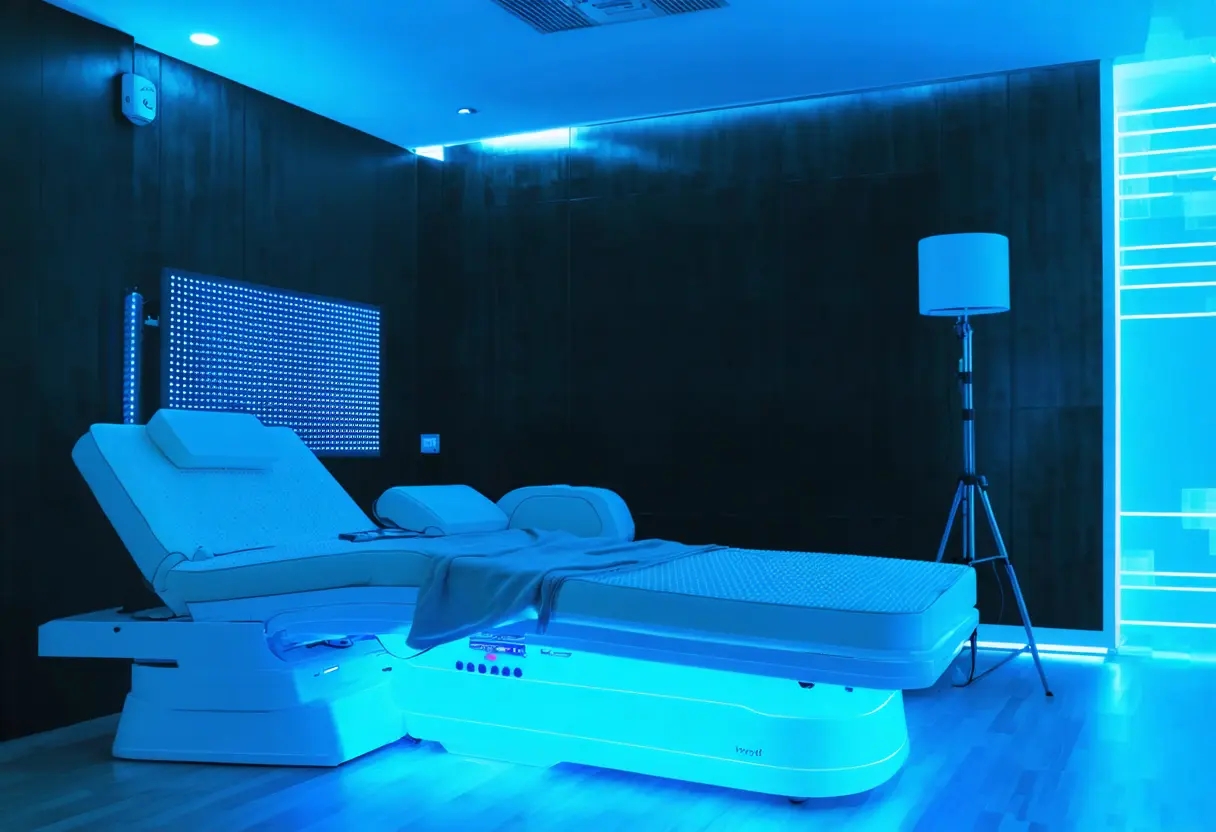
Infrared Light Therapy: How to Use IR Light Every Day (Naturally and With Devices), Plus Real Benefits and Risks
Infrared light therapy has quietly moved from pro sports training rooms and physical therapy clinics into everyday homes. You’ll see it marketed as red light therapy, near-infrared therapy, photobiomodulation, low-level light therapy, and even “IR sauna benefits.” Different labels, overlapping concepts.
At its simplest, infrared light therapy means exposing the body to specific wavelengths of light, usually red (around 620–700 nm) and near-infrared (about 700–1100 nm), with the goal of supporting cellular energy, circulation, recovery, and skin health. The headline promise is better healing and less pain, without drugs. The reality is more nuanced: when it’s used correctly, there’s solid evidence for certain outcomes and weaker evidence for others. And like any “wellness” tool, it can be misused.
This guide breaks down what infrared light therapy is, how to use it in daily life, how to get infrared light naturally from sunlight and nature, what benefits are realistic, and what risks are worth taking seriously.
What Infrared Light Therapy Actually Is (And What It Isn’t)
Infrared sits just beyond visible red light on the electromagnetic spectrum. You can’t see it, but you often feel it as warmth. There are two versions you’ll run into:
Near-infrared (NIR): This is the range most associated with “deep tissue” red light therapy devices. It penetrates deeper than visible red light.
Far-infrared (FIR): This is the kind associated with infrared sauna therapy and radiant heat panels. It’s primarily experienced as heat.
Here’s the key distinction: infrared light therapy is not the same thing as heat therapy, even though they overlap. Many near-infrared devices produce little warmth but still aim to trigger biological effects through light absorption. Infrared saunas generate heat and sweating, which brings its own benefits and risks, even if the light component is part of the story.
How It’s Thought to Work: The Practical Explanation
The most practical way to understand photobiomodulation is this: specific wavelengths of red and near-infrared light are absorbed by parts of the cell involved in energy production, particularly mitochondria. That can influence ATP production (cellular energy), oxidative stress signaling, inflammation pathways, and microcirculation.
You don’t need to memorize the biology to use it well. You do need to understand one principle that matters in real life:
Dose matters, and more is not always better. With light therapy, there’s often a “sweet spot.” Too little may do nothing. Too much can reduce benefits or irritate tissues.
The Most Common Benefits People Use Infrared Light Therapy For
You’ll see huge claims online. Some are marketing. Some are supported by research, especially when the device is appropriate and the dose is reasonable.
Pain relief and joint stiffness
This is one of the strongest everyday use cases. People often use infrared light therapy for back pain, neck pain, knee osteoarthritis symptoms, tendinitis, and general aches. When it helps, the effect is often explained by improved circulation, decreased inflammatory signaling, and changes in pain sensitivity.
Muscle recovery and athletic performance support
Near-infrared and red light therapy are commonly used pre workout to “prime” tissue and post workout to reduce soreness. Many athletes use it the way they use compression boots: not magic, but a recovery tool that can stack with sleep, nutrition, and smart training.
Skin support: tone, texture, acne, and fine lines
Red light therapy for skin has a decent evidence base for collagen-related outcomes and inflammation modulation. It’s used for acne management, redness, post-procedure healing, and “glow.” Near-infrared is sometimes included for deeper support, though skin-focused devices often emphasize visible red.
Wound healing and tissue repair
Clinics have used light therapy in various forms for healing support for a long time. In daily life, people use it for minor injuries, lingering inflammation, and recovery after intense training. If you have a significant wound, infection, or delayed healing condition, this is one area where medical oversight matters.
Mood, sleep, and general wellbeing (with caveats)
Some people report better sleep and calmer mood, especially when light therapy becomes part of a wind-down routine. But if you’re specifically targeting circadian rhythm, traditional bright light exposure in the morning and smart evening lighting habits generally have stronger evidence. Infrared can be supportive, but it’s not a replacement for circadian basics.
How to Use Infrared Light Therapy in Daily Life (Realistic Routines)
The best routine is the one you can do consistently, safely, and without turning your home into a biohacking lab.
1) Morning “warm-up” session for stiffness and circulation
If you wake up stiff, a short session on areas that feel tight can help you start moving more comfortably. Many people aim the panel at the lower back, hips, knees, or shoulders while doing gentle mobility. This stacks a habit (mobility) with a tool (light).
2) Post-workout recovery without adding extra fatigue
Infrared light therapy is one of the few recovery tools that doesn’t require more effort from you. After training, target the muscles you taxed most. Keep it simple: quads and calves after a run, back and biceps after pulling work, shoulders after pressing days.
3) Desk-worker neck and shoulder support
This is a hidden gem use case. A lot of chronic neck tightness is a loop: stress, posture, reduced circulation, shallow breathing, then more tension. A short session aimed at traps, upper back, and neck, combined with a few minutes of slow breathing, can be more useful than chasing the “perfect” ergonomic setup.
4) Skin routine that doesn’t feel like a second job
If you’re doing red light therapy for face, the best approach is boring: clean skin, consistent schedule, and no aggressive actives right before you expose your skin. Many people prefer to do it at the same time they brush their teeth at night, because the real secret is consistency.
5) Targeted support for hands, feet, and “hard to warm” areas
Some people love near-infrared for cold hands and feet, especially in winter. It’s not a cure for circulation disorders, but it can feel supportive. If you have numbness, color changes, ulcers, or severe cold sensitivity, get medical advice rather than self-treating.
6) Infrared sauna sessions for heat-based benefits
Infrared sauna benefits often come from heat exposure: sweating, increased heart rate, vasodilation, and relaxation. This can help with soreness and stress, and it may support cardiovascular conditioning in a mild way, similar to a brisk walk for some people. The risk profile is also more “heat-like”: dehydration, dizziness, and blood pressure shifts.
How Often, How Long, and How Close? The Practical Rules
Because devices vary wildly, there is no one perfect schedule. But there are practical guardrails that keep people out of trouble:
Start small and build. Begin with short sessions on a limited area a few times per week. If you feel good, gradually increase.
Distance matters. The closer you are, the higher the intensity. Too close can irritate skin or overwhelm sensitive tissues, especially with high-powered panels. If you’re uncertain, stand farther away and extend time slightly rather than hugging the device.
Don’t chase maximum exposure. More minutes and more sessions don’t automatically mean better results. If you feel wired, inflamed, headachy, or your sleep worsens, reduce intensity or frequency.
Protect your eyes. If a device is bright, treat it with respect. Some products are intense enough that you shouldn’t stare at them. Use eye protection when recommended, especially with face-focused sessions.
Getting Infrared Light Therapy Naturally: Sunlight, Nature Walks, Windows, and Plants
One of the most overlooked truths is that the sun is the original full-spectrum light source, including infrared. You don’t have to buy a panel to get meaningful exposure to natural red and near-infrared wavelengths.
Sunlight and infrared: what you’re actually getting
Sunlight includes ultraviolet, visible light, and infrared. The infrared portion is substantial. When you’re outside, you’re bathing in a blend of wavelengths that the human body has adapted to over evolutionary time. This is why a morning walk can feel like a nervous system reset: it’s movement, fresh air, and full-spectrum light, including IR.
Timing matters. Many people tolerate sun better in the early morning or late afternoon, and the risk of sunburn is lower than at midday. Your skin type and location change the equation.
“Sunlight through an open window” and why it’s not the same
This is a common question, and it matters for daily life.
Most standard window glass blocks most UVB, which is the part involved in vitamin D production. It also reduces portions of UVA and can alter the light spectrum. Infrared and visible light often pass through more than UVB does, but the exact transmission depends on the glass type, coatings, tinting, and angle.
So yes, sitting near an open window can still be pleasant and may provide some light exposure, potentially including some infrared, but it is not equivalent to being outdoors. If your goal is vitamin D or full-spectrum daylight signaling, step outside when possible. If your goal is simply gentle warmth and brightness while you work, window light can still be a useful daily habit.
Walking in nature: infrared plus physiology
A nature walk is “IR light therapy” in the least gimmicky way. It gives you:
- full-spectrum light exposure
- movement-driven circulation
- lower stress reactivity for many people
- better breathing patterns
- a mental break that changes pain perception
If you do nothing else after reading this article, do a consistent morning walk. It’s one of the highest ROI health habits available.
Plants and “getting infrared from plants”: what’s true and what’s hype
Plants don’t beam therapeutic infrared at you in a meaningful, targeted way like a medical-grade device. But plants do interact with light in ways that can change your environment.
In direct sun, any object warmed by sunlight can radiate heat, including plants, soil, rocks, and wood. That warmth is far-infrared radiation, the same category involved in radiant heat. Sitting in a warm garden, leaning against a sun-warmed tree trunk, or resting near sunlit foliage can create a subtle radiant heat experience. It’s gentle and real, but it’s not a precise dose.
The more important “plant effect” may be behavioral: plants pull you outside, slow you down, and make you stay longer in natural light. For daily life, that’s a powerful mechanism.
Choosing an Infrared Light Therapy Device (Without Getting Burned by Marketing)
If you’re buying a device, you’ll see a flood of claims: “medical-grade,” “NASA technology,” “clinically proven,” and a dozen charts that look scientific. Keep your head.
Look for:
- Wavelengths in the red and near-infrared ranges, commonly around 660 nm (red) and 850 nm (near-infrared). Many reputable devices use these.
- Transparent specs: irradiance at a stated distance, not vague “power” numbers.
- Flicker information and build quality if you’re sensitive.
- Safety certifications and a real return policy.
Be skeptical of:
- claims that it “detoxes” the body directly through light
- claims that it cures chronic disease
- devices that hide all specs or only show testimonials
And match the device to your goal. A small face mask is not ideal for back pain. A giant panel is overkill if you only want facial skin support. Infrared sauna therapy is an entirely different category, closer to heat training than targeted photobiomodulation.
Risks, Side Effects, and Who Should Be Cautious
Infrared light therapy is often described as low risk, and compared with many interventions it is. But “low risk” doesn’t mean “no risk.”
Potential side effects
Some people experience temporary redness, dryness, irritation, headache, fatigue, or feeling overstimulated. In many cases, those effects improve by reducing session length, increasing distance, or cutting frequency.
Eye safety
Bright light is bright light. Don’t stare at panels. Use eye protection if recommended, especially for facial sessions or high-intensity devices. If you have eye disease or a history of retinal issues, talk with a clinician before regular exposure.
Heat and burns
Near-infrared panels can feel warm. Far-infrared saunas and heat lamps can get hot enough to burn you if used improperly. Use common sense: don’t fall asleep with a heat source near your skin, and don’t press skin against heating elements.
Photosensitizing medications and topical products
Certain medications and skincare ingredients can increase light sensitivity. If you’re on a medication known to cause photosensitivity, or you’re using strong retinoids or acids, be conservative and ask a healthcare professional if you’re unsure.
Pregnancy and medical conditions
There isn’t one universal rule, but caution is appropriate. If you’re pregnant, have a history of seizures triggered by light, have active cancer or are undergoing cancer treatment, have severe cardiovascular instability, or have unmanaged thyroid issues, don’t self-prescribe intensive protocols. Get personalized medical guidance.
Sauna-specific risks
Infrared sauna benefits come with sauna-like risks: dehydration, fainting, overheating, and blood pressure changes. If you’re prone to low blood pressure, on certain medications, or have heart issues, start with short sessions and prioritize hydration and cooling.
How to Combine Infrared Light Therapy With a Normal Life (Not a Wellness Project)
Here’s the honest truth from years of watching people try to “optimize” themselves: the best protocol is the one that doesn’t create stress.
If you want infrared light therapy to work for you, attach it to something you already do. Ten minutes while reading in the evening. A short session while your coffee brews. A post-walk routine that becomes automatic. It should feel like brushing your teeth, not like running a clinical trial in your living room.
Also, keep your expectations calibrated. Infrared therapy is often best as a multiplier: it supports recovery, it supports skin quality, it supports pain management. It rarely replaces fundamentals like sleep, progressive movement, sunlight outdoors, and good nutrition.
A Simple Daily Infrared Routine You Can Actually Stick To
Most people do well with a routine that looks like this:
On most days, get outside for a walk in natural daylight. Let the sun and full-spectrum light, including infrared, do what it has always done. On days your body feels beat up, add a brief targeted near-infrared or red light therapy session to the areas that need it. If you enjoy heat and tolerate it well, sprinkle in an infrared sauna session once or twice a week, but treat it like exercise: recover, hydrate, and don’t force it.
That’s it. Boring, consistent, effective.
The Bottom Line
Infrared light therapy, whether you call it red light therapy, near-infrared therapy, or photobiomodulation, can be a legitimate tool for pain relief, muscle recovery, and skin support when used with sane dosing and good equipment. Far-infrared sauna therapy can add heat-based relaxation and recovery, but it also comes with real heat-related risks.
And the most underrated form of IR light therapy is also the simplest: stepping outside. A daily walk in natural light is the foundation. Devices can help, but nature is still the best baseline protocol we have.
If you’re considering infrared light therapy for a medical condition, persistent pain, or any situation where you’re unsure about safety, it’s worth discussing with a clinician who understands light-based therapies, not just someone trying to sell you a panel.
Worth sharing?
Send this to someone who would find it useful.