How to make the best Americano?
Published
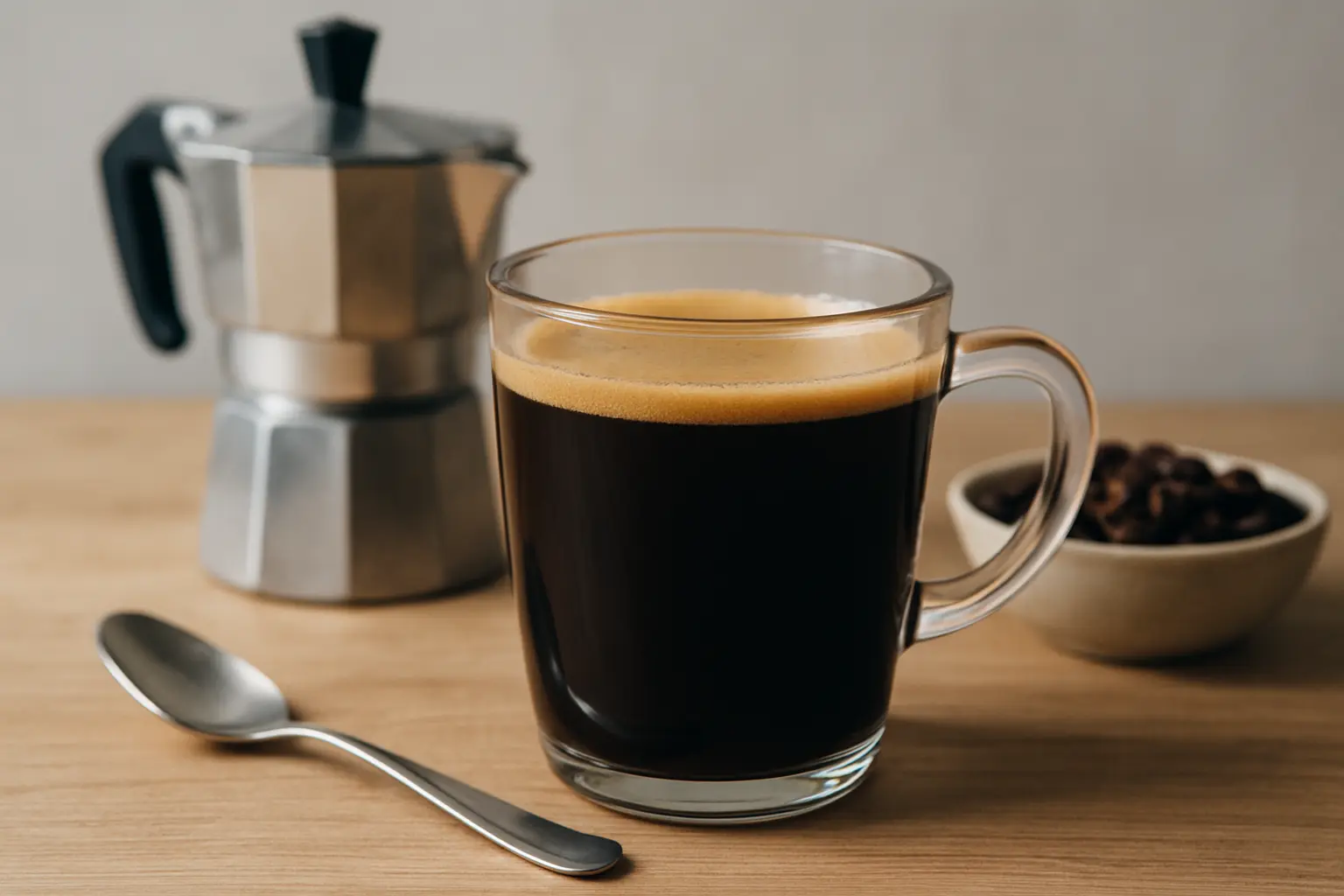
How to make the best Americano?
An Americano looks almost too simple to be worth fussing over: espresso, hot water, done. But that simplicity is exactly why it can taste either quietly spectacular or strangely flat. When there’s nothing to hide behind, the quality of your espresso, your water, and your technique show up immediately in the cup.
If you’ve ever ordered an Americano and wondered why it tasted watery, harsh, or oddly sour, you’re not alone. The best Americano is not just diluted espresso. It’s a balanced coffee drink with its own sweet spot, where crema, aroma, and body still show up, and the flavors open up rather than disappear. Let’s walk through how to make the best Americano at home, including ratios, water temperature, espresso extraction tips, and small tweaks that make a big difference.
What makes an Americano “the best”?
A great Americano has three things going for it: clarity, balance, and structure. Clarity means you can taste distinct notes (chocolate, citrus, nuts, caramel) instead of just “coffee.” Balance means the bitterness and acidity feel intentional, not sharp or thin. Structure means it still has a satisfying body, not the vibe of hot brown water.
There are a few reasons Americanos often disappoint:
- Weak espresso base: underdosed or underextracted espresso turns sour when diluted.
- Overly bitter espresso: overextracted espresso turns harsh when diluted.
- Wrong water: bad water chemistry can mute sweetness or exaggerate bitterness.
- Poor ratio: too much water is the fastest route to blandness.
- Water poured the wrong way: crema and aromatics can collapse if you’re not careful.
An Americano is basically a test of fundamentals. The better your espresso fundamentals, the better your Americano.
Americano vs long black: the order matters
People often use “Americano” and “long black” interchangeably, but the preparation order changes the experience.
Americano (espresso first, then water)
Classic Americano is typically:
- Pull espresso into the cup.
- Add hot water.
This tends to reduce crema and soften aromatics, especially if water is poured aggressively. Many cafes do it this way because it’s fast and consistent.
Long black (water first, then espresso)
Long black is typically:
- Add hot water to the cup.
- Pull espresso over the water.
This preserves more crema and aroma and often tastes slightly richer at the same ratio.
If your goal is the best Americano at home, try the long black method at least once. Many people prefer it because the cup feels more alive.
The best Americano ratio (and why it works)
The question “How much water should I add to espresso?” is where most of the magic lives. Too little water and the drink is just a stretched espresso. Too much water and it’s thin.
A strong, widely liked starting point is:
- 1:2 Americano ratio (espresso to water by weight or volume)
That means:
- 1 part espresso
- 2 parts hot water
From there, adjust to taste.
Quick ratio guide
Use this as a practical reference:
- 1:1 to 1:1.5: intense, closer to a lungo-like experience, thick and punchy.
- 1:2: balanced, flavorful, still structured.
- 1:3 to 1:4: lighter body, more like drip strength, can be great with darker roasts if the espresso is strong.
Practical examples (single vs double shot)
Assume a modern double espresso yield around 36 g (roughly 1.25 oz). Here are common builds:
- Double shot (36 g espresso) + 72 g water = 1:2 ratio, rich and balanced.
- Double shot (36 g espresso) + 108 g water = 1:3 ratio, lighter and more “coffee-like.”
If you’re using volume rather than weight, keep it simple:
- Double espresso (about 2 oz) + 4 oz water = close to 1:2
- Double espresso (about 2 oz) + 6 oz water = close to 1:3
Weight is more consistent than volume because crema changes volume.
A simple “best Americano” baseline recipe
- Espresso: 18 g in, 36 g out
- Water: 70 to 80 g hot water
- Cup: 6 to 8 oz
- Method: water first, espresso on top (long black style)
This tends to produce a sweet, aromatic cup with a satisfying body.
Espresso fundamentals for an Americano that tastes expensive
You can’t out-ratio bad espresso. Dilution makes defects more obvious, not less. If you want the best Americano, treat the espresso like it’s the star.
Dial in a balanced espresso first
A solid starting point for many beans:
- Dose: 18 g coffee (in a standard 58 mm basket)
- Yield: 36 g espresso
- Time: 25 to 32 seconds
- Brew temperature: 92 to 94°C (198 to 201°F)
From there:
- If it’s sour or sharp: grind finer, increase brew temperature slightly, or extend time.
- If it’s bitter and dry: grind coarser, lower temperature slightly, or reduce time.
When espresso tastes balanced on its own, it becomes a killer Americano.
Use fresh coffee, but not too fresh
Coffee straight out of roast (1 to 3 days) can be gassy, inconsistent, and hard to extract evenly. For espresso:
- Aim for 7 to 21 days post-roast for many medium roasts.
- Store in an airtight container away from heat and light.
Choose beans that shine in an Americano
Not every espresso blend tastes good when stretched. A few guidelines:
- Medium roasts often create the most balanced Americanos with sweetness and clarity.
- Dark roasts can work beautifully if you keep the ratio tighter (1:1.5 to 1:2) to avoid ashiness.
- Light roasts can be excellent but usually require higher temperature and careful dialing to avoid sour dilution.
If you enjoy tasting notes, look for beans described as chocolate, caramel, hazelnut, stone fruit, or citrus. Those flavors often open up nicely in an Americano.
Water: the invisible ingredient that decides everything
Water is most of what you’re drinking, so it can’t be an afterthought. Great water can make the same espresso taste sweeter and more fragrant. Bad water can make it dull, bitter, or chalky.
Water temperature for an Americano
The common advice “use boiling water” is a fast path to a flat cup. If your water is too hot, it can:
- collapse crema faster
- mute aroma
- emphasize harsh bitterness
A good target range:
- 80 to 90°C (176 to 194°F) for the added water
If you don’t have a temperature kettle, here’s a simple method:
- Boil water.
- Let it sit 30 to 60 seconds before using.
Water quality basics
If your tap water tastes off, your Americano will too. A few practical options:
- Use filtered water (a good pitcher filter helps).
- Avoid heavily softened water that tastes slick or flat.
- If you’re serious, try coffee water recipes or mineral packets.
A useful benchmark many coffee pros follow is aiming for moderate mineral content rather than pure distilled water. Distilled water extracts poorly and can make coffee taste thin.
Optional: a simple DIY “coffee water” recipe
If you like experimenting and want consistency, you can make mineralized water. This is a simplified approach, not a lab-grade one, but it works for many home setups.
DIY coffee water (approximate):
- Start with 1 liter distilled water
- Add 0.20 g baking soda (sodium bicarbonate)
- Add 0.30 g Epsom salt (magnesium sulfate)

Shake until dissolved.
If you do this, label the bottle and keep it for coffee only. Small mineral changes can shift flavor dramatically, so measure carefully.
Step-by-step: how to make the best Americano at home
You can make an Americano with an espresso machine, a moka pot, or even strong concentrated coffee, but the best version starts with true espresso. Here’s a practical process that works with most home machines.
Method 1: Long black style (recommended)
This method usually produces the most aroma and crema.
Preheat your cup
Fill it with hot water, then discard. A warm cup keeps your Americano tasting lively longer.Add hot water first
Add 70 to 120 g hot water depending on your ratio and cup size. Aim for 80 to 90°C.Pull your espresso onto the water
Brew a double shot (for example, 36 g yield) directly into the cup.Gentle stir (optional)
A small stir integrates layers. Too much stirring can knock down crema.
Method 2: Classic Americano (espresso first)
If you prefer this style:
- Pull espresso into a preheated cup.
- Pour hot water slowly down the side of the cup.
- Taste, then adjust water volume.
The “best Americano” workflow checklist
- Cup is preheated
- Water is hot but not boiling
- Espresso is dialed in and fresh
- Ratio is intentional (start at 1:2)
- Pouring is gentle to preserve crema and aroma
Troubleshooting: fix a bad Americano fast
If your Americano doesn’t taste right, you can usually diagnose it quickly by thinking in terms of extraction and dilution.
If it tastes watery or weak
Common causes:
- too much water
- underdosed espresso
- espresso shot running too fast
Fixes:
- tighten the ratio to 1:1.5 or 1:2
- increase dose (for example from 17 g to 18 g)
- grind finer to slow the shot into a 25 to 32 second window
If it tastes bitter or harsh
Common causes:
- overextracted espresso
- water too hot
- dark roast stretched too far
Fixes:
- grind slightly coarser or shorten the yield
- use water around 85°C
- keep dark roasts closer to 1:1.5 to 1:2
If it tastes sour or sharp
Common causes:
- underextracted espresso
- water too cool can emphasize acidity
- light roast not dialed in
Fixes:
- grind finer, raise temperature, or increase yield slightly
- try water closer to 90°C
- consider a longer ratio only after the espresso tastes balanced
If it tastes flat, muted, or “chalky”
Common causes:
- poor water quality
- stale beans
- cup not preheated
Fixes:
- switch to filtered water
- use fresher beans (within a few weeks of roast)
- warm your cup and keep the water temperature in range
Flavor upgrades that stay true to an Americano
If you want to keep it an Americano but make it more enjoyable, you can tweak the experience without turning it into a flavored latte.
Try a “bypass” technique for clarity
Some espresso setups allow a tight shot and then adding water after. That is essentially what an Americano is, but you can be more intentional:
- Pull a slightly shorter shot (for example 18 g in, 30 g out).
- Add water to reach your preferred strength (for example 60 to 90 g).
This can increase intensity and sweetness before dilution.
Add a small pinch of salt (yes, really)
A tiny pinch can reduce perceived bitterness. It’s not for everyone, but it’s a useful rescue move if a shot runs slightly harsh.
- Start with a literal pinch, stir, and taste.
- If you can taste salt, you added too much.
Iced Americano tips (because it’s a different drink)
Iced Americanos can taste thin if you treat them like hot ones. Ice is extra dilution, so compensate.
A solid approach:
- Fill a glass with ice.
- Add a smaller amount of cold water (or none).
- Pull espresso over the ice.
- Add water to taste.
Try this ratio:
- Double espresso (36 g) + 60 to 90 g water + ice
If it’s too weak, reduce water or use a triple shot.
Conclusion: make your Americano intentional
The best Americano is built, not guessed. When you choose a ratio on purpose, use water that tastes clean, keep the water temperature under boiling, and pull a balanced espresso, you end up with a cup that has the ease of drip coffee but the flavor detail of espresso. It’s one of the simplest coffee drinks to make, and one of the easiest to level up.
If you want a practical next step, do this tomorrow morning: make two cups side by side at 1:2 and 1:3, using the water-first (long black) method, and taste them back-to-back. Once you find your preferred strength, you’ll be able to make the best Americano for your palate every time.
If you also enjoy milk-based coffee
An Americano does not require a frother. If you also make foamy milk drinks at home, our handheld milk frother comparison explains which features are useful and why a handheld wand cannot replace a heating jug or espresso steam wand.
Worth sharing?
Send this to someone who would find it useful.