Can I Afford to Buy a Japanese Akiya near a Ski Resort?
Published
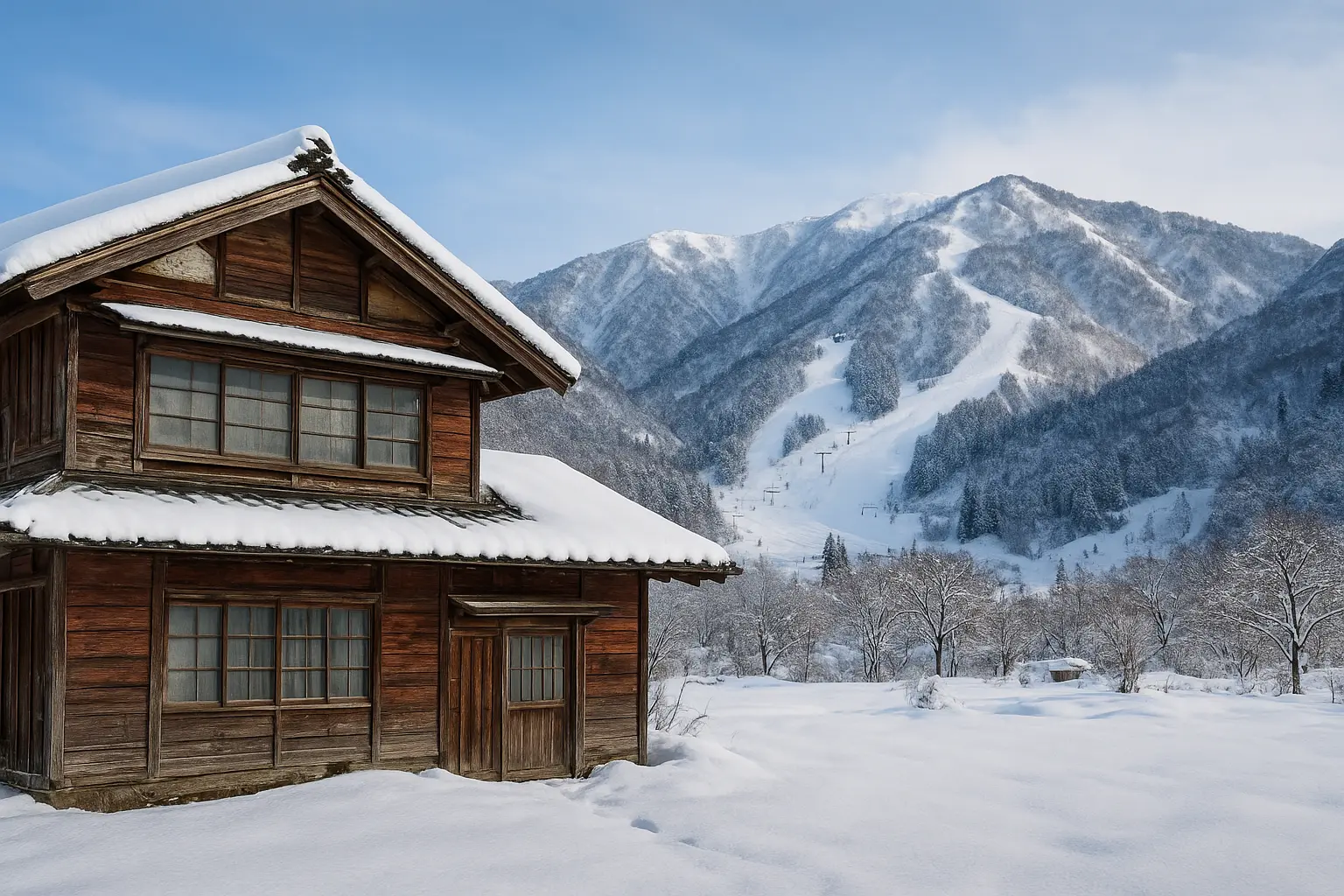
Can I Afford to Buy a Japanese Akiya near a Ski Resort?
Picture this: it’s dumping snow in Nagano, you finish a knee deep powder day, and instead of racing for the last shuttle back to a pricey hotel, you’re unlocking the door to your own little Japanese house. The heater is already on, your boards are drying by the genkan, and tomorrow’s lift ticket is the only thing you have to pay for.
That dream is why people keep searching for “Can I afford to buy a Japanese akiya near a ski resort?” Akiya are Japan’s empty homes, often sold cheaply, sometimes for shockingly low prices. But “cheap purchase price” does not automatically mean “affordable lifestyle investment,” especially in snow country where maintenance, insulation, roof load, and access to rental management can make or break your budget.
This guide walks through real world costs: buying, renovating, maintaining, paying taxes, and potentially offsetting expenses with Airbnb income or seasonal rent. It’s written for skiers and snowboarders who want Japanese winters without paying hotel rates forever.
Understanding Akiya near Ski Resorts: Why They’re Cheap (and Why That Matters)
Akiya are vacant homes left behind for a mix of reasons: aging owners, rural depopulation, inheritance complications, or houses that simply do not fit modern lifestyles. In ski regions, you’ll see a specific pattern: villages with good mountain access but declining year round population. That mismatch creates opportunity.
But it also creates predictable problems. Many akiya near ski resorts are:
- Older wooden structures with minimal insulation.
- Built for traditional living rather than Western expectations of heating and hot showers.
- Located in areas with heavy snowfall where roofs, roads, and drainage require constant care.
- Far from contractors, English speaking real estate support, or property management.
Resort areas where akiya shopping actually makes sense
If you want powder plus a realistic shot at finding an akiya, focus on places with a mix of tourism and local housing stock.
Higher demand, higher prices, easier rentals
- Niseko (Hokkaido)
- Hakuba Valley (Nagano)
- Nozawa Onsen (Nagano)
- Furano (Hokkaido)
Lower demand, better bargains, more “real Japan,” harder rentals
- Myoko Kogen (Niigata)
- Iiyama and surrounding towns (Nagano, near Nozawa)
- Minakami and Katashina (Gunma)
- Appi area outskirts (Iwate)
- Smaller Hokkaido resorts outside the Niseko bubble
A practical rule: the closer you are to a famous base village with international tourism, the less “akiya cheap” the property becomes. The farther out you go, the more you must rely on your own willingness to maintain a snow country home and market it to renters.
What Does a Japanese Akiya Cost near Ski Resorts?
Akiya prices range wildly because “akiya” is a category, not a quality standard. A house can be labeled vacant while still being livable, or it can be effectively a demolition project.
Typical purchase price ranges (ballpark)
These ranges reflect what buyers often encounter rather than guarantees. Local listings change quickly, and condition matters more than square meters.
- Budget akiya (needs work): ¥0 to ¥3,000,000
- Decent but dated (livable with upgrades): ¥3,000,000 to ¥10,000,000
- Renovated or resort-adjacent premium homes: ¥10,000,000 to ¥30,000,000+
- Niseko and prime Hakuba locations: often above “akiya” expectations, frequently ¥20,000,000 to ¥80,000,000+ depending on land and zoning
The “¥0 house” offers you’ll see online are real, but rarely free in practice. They tend to come with strict conditions, renovation obligations, relocation requirements, or the simple reality that repairs cost more than buying a livable home.
Upfront transaction costs you should budget for
Even when the house price is low, buying property in Japan comes with fees. Plan for:
- Agent fee (often around 3 percent plus ¥60,000, plus tax, when an agent is involved)
- Registration and license tax
- Judicial scrivener fees (shiho shoshi) for title work
- Fire insurance (often required, especially in snow regions)
- Possible property survey costs if boundaries are unclear
A conservative approach is to set aside 5 percent to 10 percent of the purchase price, with a minimum floor if the property is very cheap. A ¥1,000,000 house can still generate ¥300,000 to ¥800,000 in closing and setup expenses depending on complexity.
Renovation Reality: The Snow Country Cost Multiplier
Renovation is where the “Can I afford it?” question gets answered. In ski areas, you are not just fixing an old house. You are preparing it to survive freeze-thaw cycles, deep snow loads, and guests who expect warmth.
Common renovation items for ski-region akiya
Insulation and heating upgrades
Many traditional homes are drafty. If you want to enjoy winter without burning money on kerosene, prioritize:
- Ceiling and wall insulation
- Double glazing or storm windows
- Heat pumps (modern cold-climate models if you are in Hokkaido or high elevations)
- Sealing gaps and improving airflow control
Roof and snow management
Snow load is serious. Roof issues are not cosmetic in places like Hakuba, Myoko, Nozawa, or Hokkaido.
- Roof repair or replacement
- Snow guards, safe snow shedding systems, or reinforcement
- Gutters and drainage improvements to prevent ice damming
Plumbing winterization
Frozen pipes can destroy a house in a weekend.
- Pipe insulation and heat tape where needed
- Proper shutoff and drain systems for vacant periods
- Updated water heater, often larger if hosting groups
Interior upgrades for rentals
If you want Airbnb income, you are competing with hotels and modern chalets.
- Modern kitchen and bathroom refresh
- Washer and dryer, especially for ski gear
- Drying room or heated gear storage area
Renovation cost ranges you can actually plan around
Costs depend heavily on how much you DIY, how rural you are, and contractor availability.
- Light refresh (cosmetic, minor repairs): ¥1,000,000 to ¥4,000,000
- Mid renovation (insulation upgrades, bathroom, heating): ¥4,000,000 to ¥12,000,000
- Full renovation (structure, roof, major systems): ¥12,000,000 to ¥30,000,000+
If you want a simple heuristic: in snow country, plan for renovation costs that can match or exceed the purchase price unless you are buying a home that has already been winterized.
A simple budgeting framework (use this before you fall in love)
Use a three bucket estimate:
- Must-do to make it safe and winter-proof (roof, pipes, electrical)
- Comfort upgrades (insulation, heating, bathroom)
- Rental upgrades (beds, drying area, modern appliances, Wi-Fi)
If bucket 1 is unknown, get an inspection. If inspections are not common in your target area, bring a contractor or someone experienced with kominka and snow region homes.
The Ongoing Costs: Maintenance, Taxes, Utilities, and the “Hidden Ski House Budget”
Buying is one thing. Owning a ski house in Japan is a monthly commitment, even if you only visit for powder season.
Annual taxes and required payments
Japan property taxes are typically manageable compared to many Western markets, but do not assume they are zero.
- Fixed asset tax (kotei shisan zei): assessed annually by the municipality
- City planning tax: in some areas (not everywhere)
- Insurance: fire insurance is common, and snow risk matters
- Neighborhood fees: some towns have community dues or shared infrastructure costs
For a modest rural house, you might see annual taxes in the range of ¥30,000 to ¥150,000, but it can be higher near resort zones or on larger plots.
Winter specific maintenance: what people forget
Snow is not just pretty. It is labor and money.
- Snow removal: driveway, roof edge management, paths
- Heating during vacancy: minimal heating to prevent freeze damage
- Mold prevention: dehumidifiers, airflow, periodic airing out
- Pest control: especially in older wooden homes
If you will not be in Japan full time, you may need paid help. In some resort areas, snow removal services are available and priced per season.
Utilities and connectivity
Tourists expect fast Wi-Fi, strong hot water, and warm rooms. Budget for:
- Electricity (heat pumps increase winter electricity use)
- Kerosene or gas (if you use fuel heaters)
- Water and sewage or septic maintenance
- Internet installation and monthly service
A winter month with heavy heating can feel expensive if the house is poorly insulated. That is why insulation is often the most “boring but best” investment you can make.
Can Airbnb or Seasonal Rent Make It Affordable?
This is the part most buyers daydream about. If you can rent the house during peak ski season, your “free skiing” fantasy gets closer to reality. But the economics depend on location, legality, and management.
What kind of rental demand is realistic?
In major ski destinations, peak season demand can be intense, especially around:
- Late December to early January
- Chinese New Year season (varies)
- February weekends
- Powder cycles when storms hit
In smaller resorts, demand can be steadier but lower priced, and you may rely more on Japanese domestic travelers.
Legal and regulatory considerations for Airbnb in Japan
Japan regulates short term rentals through minpaku rules. The exact setup varies depending on whether you register as a private lodging, operate as a hotel-style business, or use a management company with the right licensing.
Before buying, ask:
- Can this property legally operate as short term lodging in this municipality?
- Are there day limits, zoning restrictions, or neighborhood rules?
- Will you need upgrades like fire safety equipment, emergency signage, or exit lighting?
If you plan to rent, assume you will need to spend money on compliance.
Rental income math: a practical example
Here’s a simplified model you can use to sanity check a deal. Numbers vary by resort, but the structure holds.
Assumptions:
- Peak winter nights rented: 45 nights
- Average nightly rate: ¥28,000
- Occupancy outside peak: 15 nights at ¥18,000
- Total booked nights: 60

Gross revenue:
(45 * 28,000) + (15 * 18,000) = ¥1,530,000

Costs:
- Platform fees (3%): ¥45,900
- Cleaning (¥10,000 * 12 turnovers): ¥120,000
- Utilities and consumables: ¥180,000
- Property management (20% of gross): ¥306,000
- Repairs reserve: ¥150,000
- Insurance and taxes: ¥120,000

Estimated net (before income tax):
¥1,530,000 - (45,900 + 120,000 + 180,000 + 306,000 + 150,000 + 120,000)
= ¥608,100
That net amount can cover a meaningful portion of annual ownership costs, but it is not automatic profit. It also assumes you can drive bookings and maintain good reviews.
Seasonal rental can be simpler than nightly Airbnb
If you dislike operational complexity, consider renting the home for the winter season to a single tenant or group. Pros:
- Less cleaning and guest communication
- More predictable income
- Reduced wear from constant turnover
Cons:
- You may lose flexibility to visit whenever you want
- One bad tenant can be a headache
- Income might be lower than peak nightly Airbnb rates
The biggest deciding factor: management
If you live outside Japan, you likely need a local manager. In big resort areas, management companies exist, but they charge for it, and quality varies.
Ask potential managers:
- Do you handle guest communication, check-in, cleaning, and emergency calls?
- Do you handle snow removal coordination?
- What is your fee structure, and what is excluded?
- Can you provide historical occupancy expectations for similar homes?
Akiya ownership becomes dramatically more viable when management is competent and transparent.
Which Ski Areas Offer the Best Affordability-to-Experience Ratio?
“Affordable” is not only purchase price. It is total cost plus lifestyle value.
Hakuba Valley (Nagano)
Hakuba has international demand and a large ski area network. It can support rentals, but prices have risen and competition is real. Great if you want a strong mix of community, services, and accessibility from Tokyo.
Who it fits: buyers who want a balance of lifestyle and rental potential, and can pay a bit more upfront.
Nozawa Onsen (Nagano)
Quaint, iconic, and popular. Housing stock is more constrained, and the village vibe is the draw. If you find an akiya nearby, it can be special, but renovation may be tricky due to traditional structures and tight streets.
Who it fits: skiers who value culture and do not need a huge modern chalet.
Myoko Kogen (Niigata)
Often cited as a value alternative to Hakuba and Niseko. Snow is excellent, and pricing can be more approachable. Some areas have a growing international presence but still feel less inflated.
Who it fits: powder focused buyers who want better affordability and can accept less polish.
Niseko (Hokkaido)
World-famous, strong rental market, high foreign demand, and expensive land. “Akiya bargain” is rare near prime zones, but outskirts can still produce interesting deals.
Who it fits: buyers prioritizing rental economics and services who can handle high upfront costs.
Furano (Hokkaido)
Great skiing, less chaotic than Niseko, growing international appeal. Property pricing is often high, but long-term tourism development can support rentals.
Who it fits: buyers looking for a long runway market and are willing to invest more.
Under-the-radar options (Gunma, Iwate, smaller Nagano towns)
These can be the best for purchase price, but the hardest for consistent rental income. If your main goal is personal use and cultural immersion, they can be perfect.
Who it fits: frequent Japan travelers who want a base, not a business.
A Step-by-Step Plan to Decide If You Can Afford It
If you take nothing else from this article, take this: affordability is not the listing price. It is a multi-year plan.
Step 1: Define your primary goal
Pick one:
- Personal ski base first, rental second
- Rental income first, personal use second
- Long-term relocation and lifestyle change
Each goal changes what “affordable” means.
Step 2: Run a conservative 5-year cost estimate
Include:
- Purchase and closing
- Renovation (with a 15 percent to 25 percent contingency)
- Annual taxes and insurance
- Snow and winterization costs
- Management fees if renting
- A repair reserve fund
A useful rule is to budget 1 percent to 3 percent of property value per year for maintenance, but older akiya may need more.
Step 3: Confirm rental legality before buying
Do not assume you can “figure it out later.” Local rules can kill your plan.
Step 4: Test the area by renting for a season
Before buying in a new resort region, rent a place nearby for a month or a season. Learn:
- How brutal snow clearing is
- Whether you like the vibe off-season
- How easy it is to get groceries and services
- Whether you would actually return every year
Step 5: Build a team
At minimum:
- Local agent or akiya bank contact
- Contractor familiar with snow region homes
- Property manager if renting
- Scrivener for legal paperwork
Conclusion: Yes, You Can Afford It, but Only If You Budget Like a Local (Not Like a Tourist)
A Japanese akiya near a ski resort can be an incredible way to experience Japan’s winter culture on your own terms. For the right buyer, it can turn expensive ski trips into a long-term base and, in stronger markets, rental income can meaningfully offset ownership costs.
But the deal only works when you respect the true price: renovation to winter-proof the home, ongoing snow country maintenance, taxes and insurance, and the reality that rentals require legal compliance and reliable management.
If you want to take the next step, shortlist two to three resort regions, run a conservative five-year budget using the framework above, and talk to local contacts about renovation and rental rules before you commit. The best akiya ski house is not the cheapest listing. It’s the one that stays warm in January, does not break your budget in February, and still feels like home when the last storm of the season hits.
Worth sharing?
Send this to someone who would find it useful.